Differences Between Electromagnetic and Resistance Heating Boilers
电磁采暖炉与电阻采暖炉有哪些不同
Electromagnetic and resistance heating boilers are two common electric heating devices with significant differences in heating principle, thermal efficiency, safety, and service life.
With the popularization of electric heating, more and more users face a question when choosing electric heating equipment: what's the difference between electromagnetic and resistance heating boilers? Which is better?
## Different Heating Principles
### Resistance Heating Boiler
Resistance heating boilers use **resistance wire heating**, transferring heat to water through thermal conduction. Current flows through the resistance wire to generate Joule heat, which is then transferred through a heat-conducting medium.
### Electromagnetic Heating Boiler
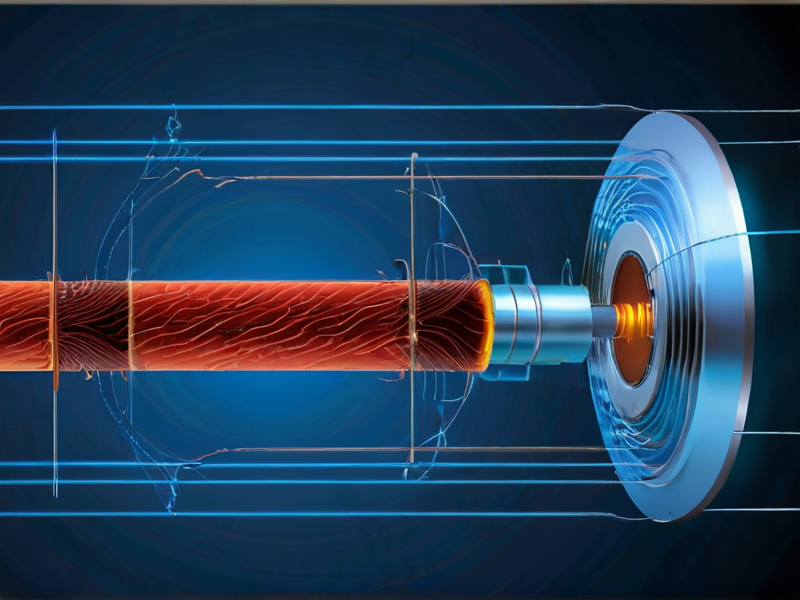
Electromagnetic heating boilers use the **principle of electromagnetic induction** to make the water jacket (metal container) heat itself, then transferring heat to the water inside.
**Key difference**: Resistance type heats the resistance wire first, then transfers to water; electromagnetic type has the water jacket directly generating heat.
## Thermal Efficiency Comparison
| Type | Thermal Efficiency | Note |
|------|-------------------|------|
| Resistance Boiler | 70-85% | Heat passes through multiple transfers, high loss |
| Electromagnetic Boiler | 95%+ | Direct heating, low heat loss |
Because electromagnetic heating boilers have the water jacket directly generating heat, they reduce losses in the heat transfer环节, resulting in higher thermal efficiency.
## Safety Comparison
### Resistance Heating Boiler
- Resistance wire directly contacts water, **risk of electric shock**
- Resistance wire ages and breaks easily with long-term immersion
- Requires leakage protection devices
### Electromagnetic Heating Boiler
- **Water-electricity separation**: Water and heating body do not directly contact
- Induction coil is outside the water jacket, not touching water
- Fundamentally eliminates electric shock hazards
## Service Life Comparison
| Type | Service Life | Reason |
|------|-------------|--------|
| Resistance Boiler | 3-5 years | Resistance wire ages, scales, breaks easily |
| Electromagnetic Boiler | 10-15 years | Non-contact heating, no fragile parts like resistance wire |
Resistance boiler heating wires, under long-term high temperature and water action, easily age, corrode, and break, requiring regular replacement. Electromagnetic heating boilers have no such fragile parts as resistance wires, with longer service life.
## Other Comparisons
### Heating Speed
- Resistance boiler: Slower temperature rise, needs to heat resistance wire first
- Electromagnetic boiler: Fast temperature rise, water jacket directly generates heat
### Scale Impact
- Resistance boiler: Scale seriously affects heating efficiency and can easily cause resistance wire overheating and burnout
- Electromagnetic boiler: Less affected by scale, and high-frequency magnetic field has some anti-scale effect
### Power Regulation
- Resistance boiler: Generally uses gear adjustment with low precision
- Electromagnetic boiler: Variable frequency regulation with continuous power adjustment and high temperature control precision
## Summary
| Comparison Item | Resistance Boiler | Electromagnetic Boiler |
|----------------|-------------------|----------------------|
| Thermal Efficiency | 70-85% | 95%+ |
| Safety | Electric shock risk | Water-electricity separation, safer |
| Service Life | 3-5 years | 10-15 years |
| Heating Speed | Slower | Fast |
| Scale Impact | Large | Small |
| Price | Lower | Higher |
| Operating Cost | Higher | Lower |
Overall, although electromagnetic heating boilers have a slightly higher initial investment, they offer better value for money in terms of long-term operating costs, safety, and service life.
← 뉴스로 돌아가기